



Breast Density
BreastScreen NSW uses software to report breast (mammographic) density to clients and their nominated GP.
What is breast density?
Breasts are made up of fatty tissue and fibroglandular (dense) tissue, which includes milk ducts, milk glands and supportive tissue. Breast density is the ratio of dense tissue to fatty tissue. It cannot be felt or assessed by a physical examination and isn't related to breast size or shape.
Breast density is only reported on a mammogram and is commonly referred to as mammographic density. For most women, breast density changes over time and decreases as you get older.

All women, including those with dense and extremely dense breasts, are recommended to have their regular breast screens (mammograms).
Why breast density matters
Breast density can mask or hide cancers because dense tissue and breast cancers both appear white on a breast screen (mammogram). This can make it more difficult to see a cancer in the breast when you have your breast screen.
Higher breast density is linked with a higher risk of developing breast cancer and the size of this risk increases with increasing density.44345
Your breast density report
BreastScreen NSW uses software to report breast density. Our clients and their nominated GP are provided with a density report in their screening result letter, which is accompanied by a breast density factsheet.
The Breast Imaging Reporting and Data System (BI-RADS) is a classification system used to describe four categories of breast density. Clients will receive one of the categories below:
 Category A
(least dense)
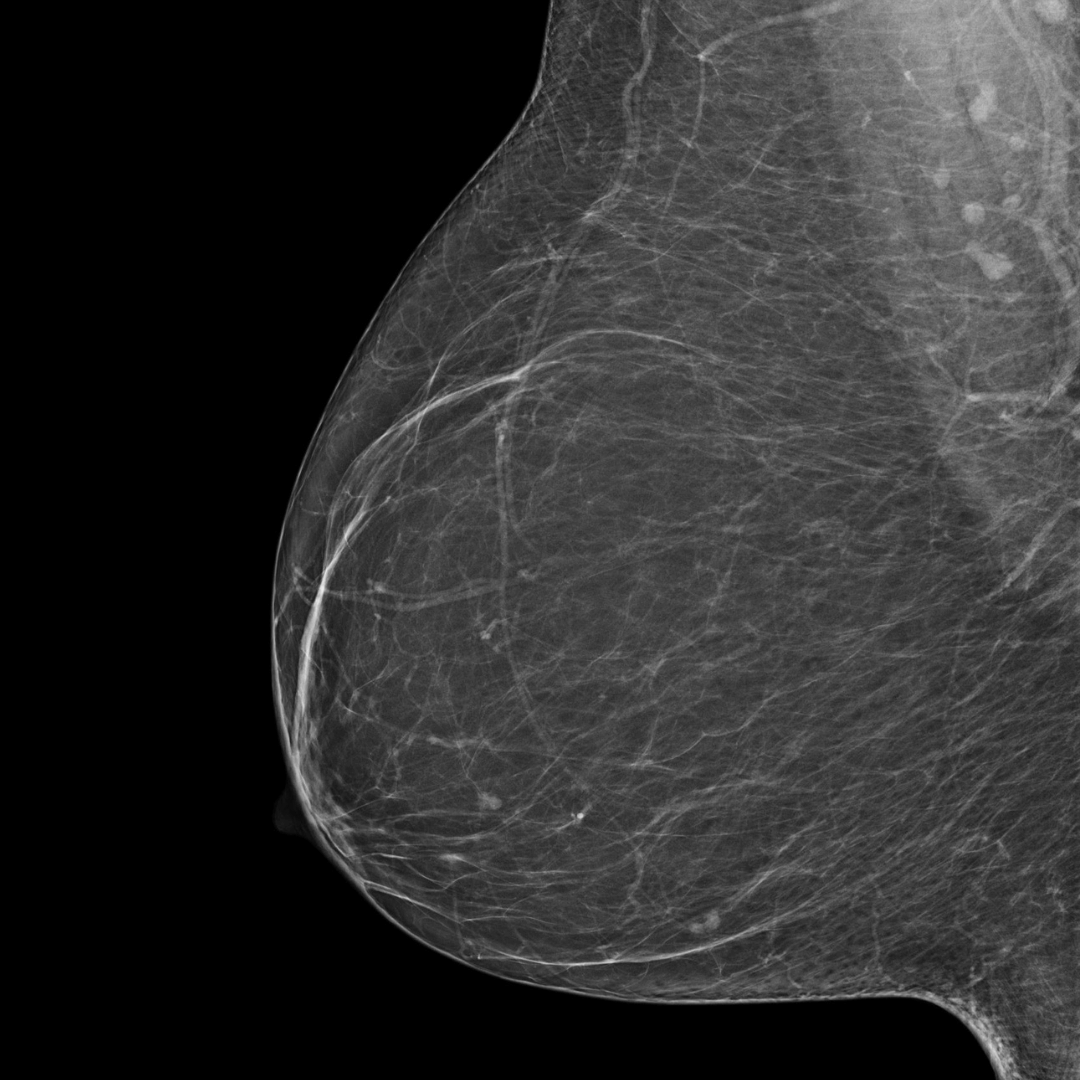
BI-RADS category A:
The breast tissue is almost entirely fatty and not dense.
 Category B
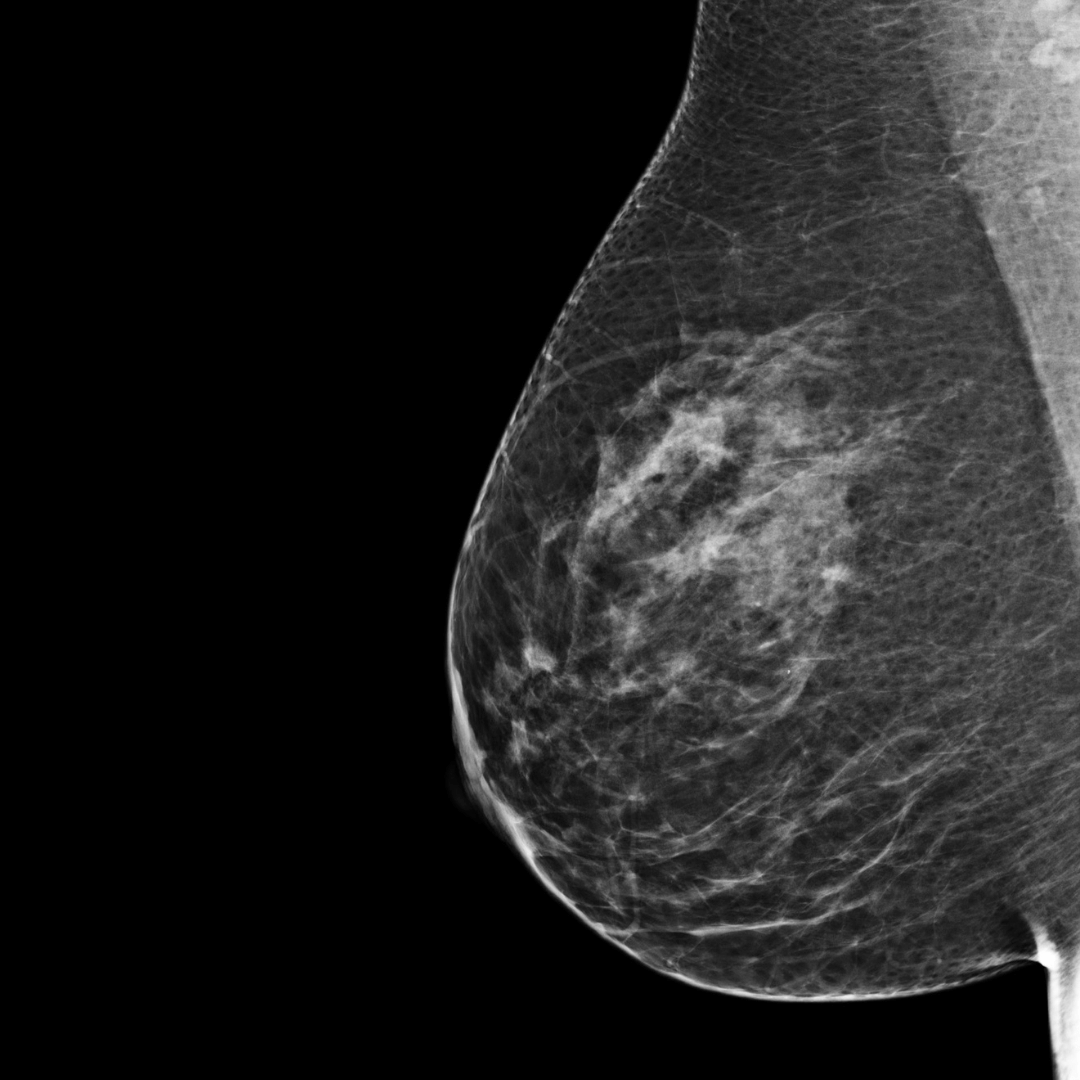
BI-RADS category B:
The breast tissue is mostly fatty tissue with some scattered areas of
fibroglandular density. The breast tissue is not dense.
 Category C
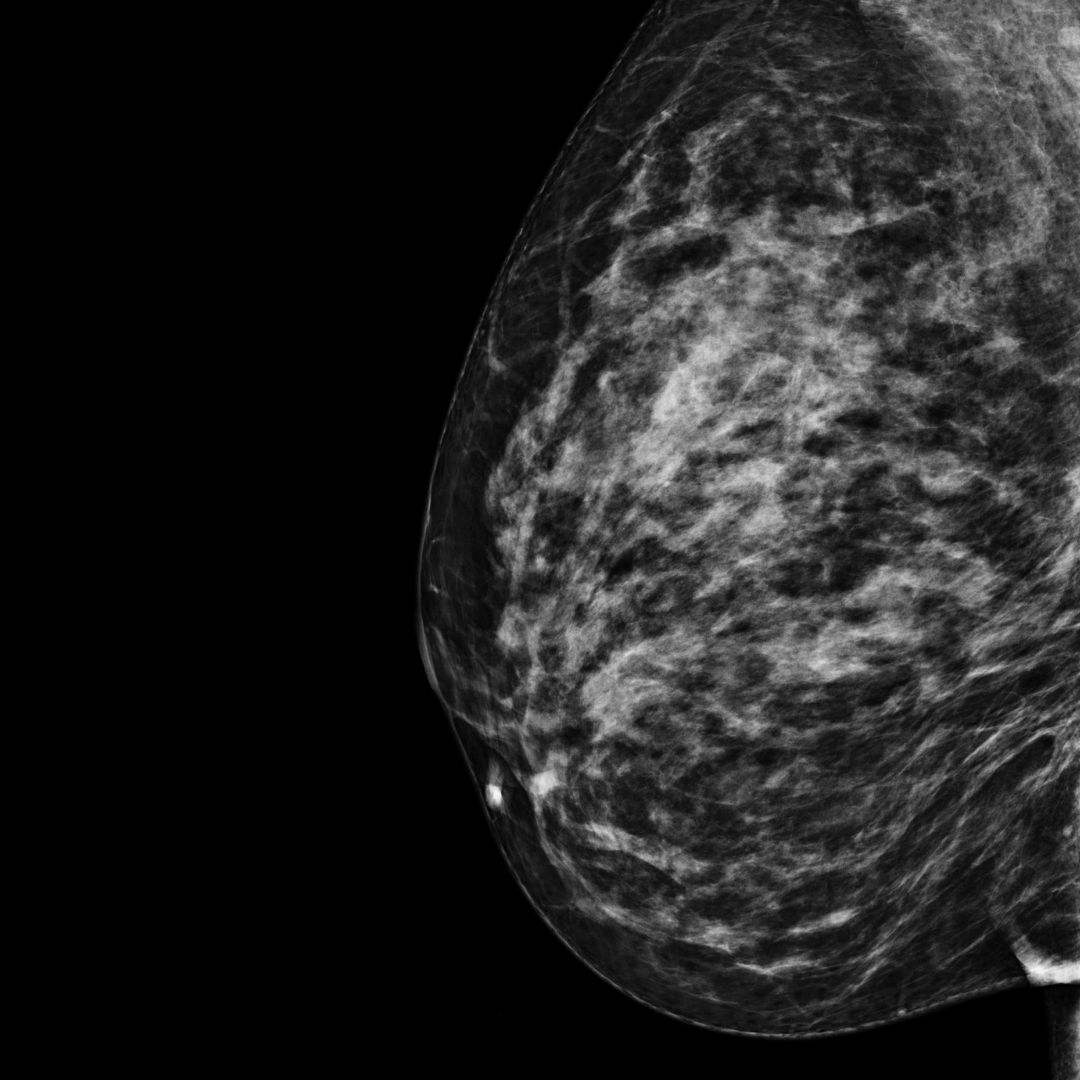
BI-RADS category C:
The breast tissue is mostly fibroglandular tissue with some areas of fatty tissue. The breast tissue is dense.
 Category D
(most dense)
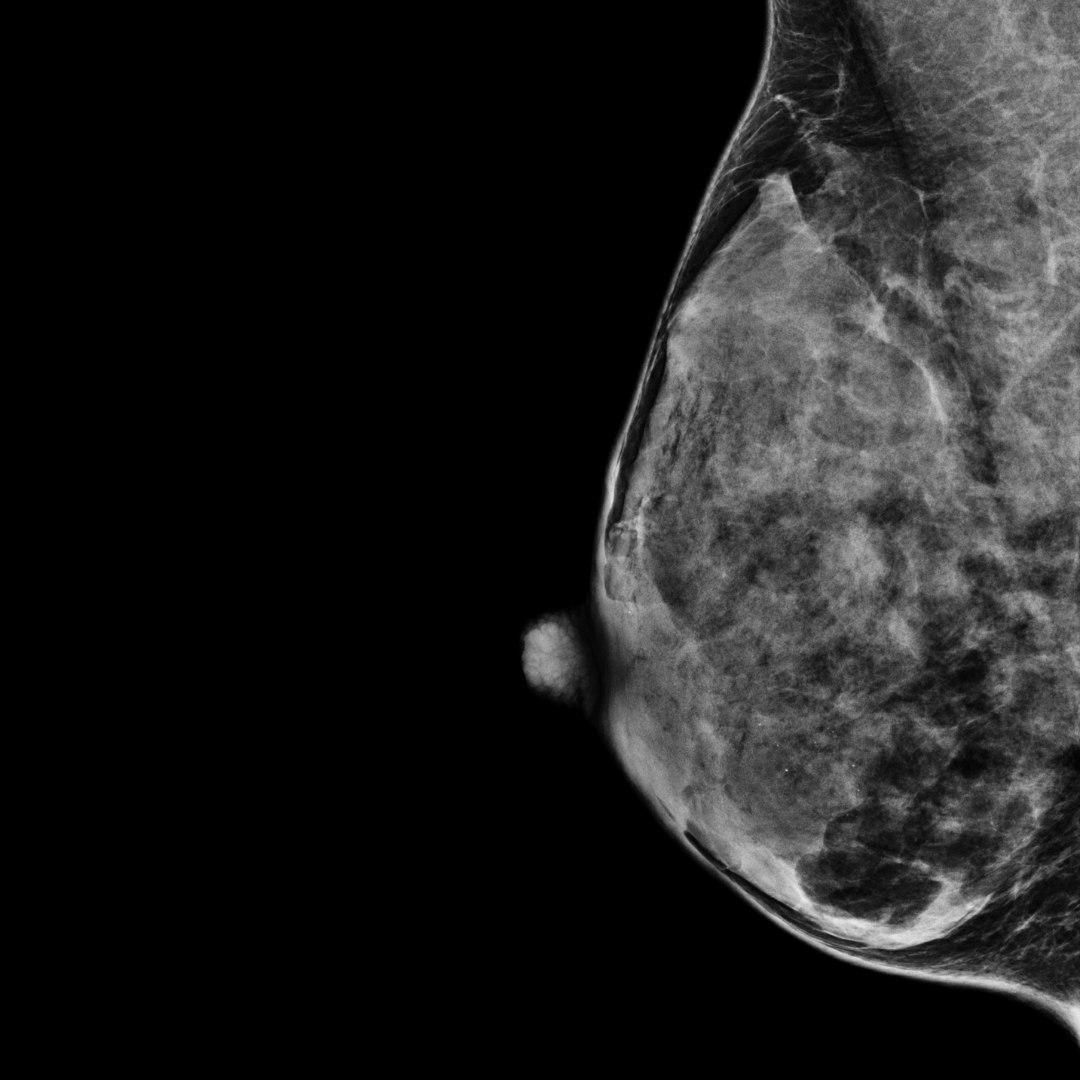
BI-RADS category D:
The breast tissue is almost all fibroglandular tissue and is extremely dense.
No breast density category determined: In a small number of cases a density category cannot be determined due to technical reasons. This does not affect the breast screen result.
Breast density of clients who have attended BreastScreen NSW5634
- 15% of women are Category A
- 45% of women are Category B
- 35% of women are Category C
- 5% of women are Category D

What action should I take if I have dense breasts?
We encourage women who have questions or concerns about their breast density or breast cancer risk to speak with their GP.


Breast density FAQs
Breast density is not related to the look, feel or size of the breast. It cannot be felt or assessed by a physical examination. Some women experience heavy and lumpy breasts and this can be normal for them.
BreastScreen NSW encourages all women to be breast aware. Any new or concerning breast changes such as a lump, dimpling, nipple discharge or breast pain should be reported to a doctor as soon as possible for appropriate investigation.
Yes. Younger women generally have more dense breasts compared to older women. Breast density usually reduces with age, particularly after menopause.
Breast density is also influenced by other factors including genetics, Body Mass Index (a lower BMI is associated with higher breast density), having had children (may decrease breast density), hormone replacement therapy (may increase breast density), and anti-estrogen therapy (may decrease breast density).
If you are concerned about a change in your breast density report, please speak to your GP.
Breast density can be familial (run in the family) however the only way to really know your breast density is to have a mammogram.
It can, depending on the type of implant you have. Please tell our staff when you book if you have implants or have had breast enhancement injections, and our radiographer will discuss this with you at your appointment.
It can, depending on the type of device you have. Please tell our staff when you book if you have a medical device in your chest and our radiographer will discuss this with you at your appointment.
- Breast density can be influenced by hormone treatment.
- Reading of mammograms can be impacted by surgical procedures due to the presence of scar tissue.
BreastScreen NSW recommends clients speak with their specialist or doctor if they have questions about their breast density.
In a small number of cases software used to report breast density cannot determine a reading due to technical reasons. Unless the issue persists, your breast density will be measured at your next BreastScreen NSW appointment. We won’t repeat your breast screen if the software can’t report your breast density as it may unnecessarily expose you to additional radiation. Speak to your doctor if you have any questions or concerns about this.
BreastScreen NSW commenced recording breast density on 7 April 2025. Clients who screened prior to this date will receive a breast density report at their next breast screen. If you have any questions or concerns, please speak with one of our staff.


